Designing a Floral Letter G Monogram Logo: A Guide to Modern Manuscript Style
In today’s visually driven world, logos play a crucial role in branding and identity. A well-designed logo can convey the essence of a business or individual in just a glance. One popular trend is the use of floral letter G monograms, which combine elegance with modernity. This article explores how to create a floral and letter G logo in a modern manuscript style, focusing on its design elements, file formats, and practical applications like business cards and seamless patterns.
Understanding the Floral Letter G Monogram Style
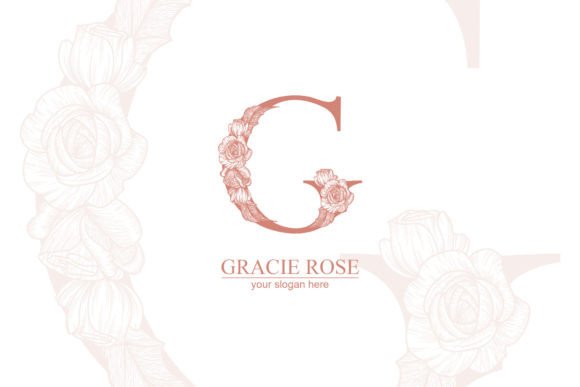
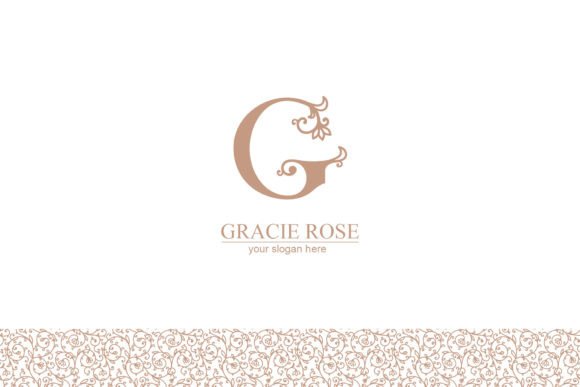
A letter G monogram is a single-letter emblem that represents an individual or brand. When combined with floral elements, it adds a touch of sophistication and natural beauty. The floral and letter G logo typically features blooming roses, vines, or other botanical motifs intertwined with the letter itself.
This style is especially popular among those who want to blend tradition with contemporary aesthetics. The modern manuscript style refers to a handwriting-like appearance that feels both artistic and professional. It gives the logo a personal, handcrafted feel while maintaining clarity and legibility.
The Significance of a Floral Monogram
Floral motifs have long been associated with elegance, growth, and creativity. Using them in a monogram logo can evoke feelings of grace and refinement. For businesses in industries such as fashion, wellness, or interior design, this type of logo can be particularly effective in communicating their brand values.
Additionally, the 1-letter monogram format is versatile and can be adapted for various uses—from social media profiles to product packaging. Its simplicity makes it easy to recognize and remember.
Design Elements of a Floral Letter G Monogram
Crafting a floral and letter G logo involves several key design elements. These include the choice of font, the integration of floral patterns, and the overall style—in this case, the modern manuscript.
- Font Selection: The modern manuscript style suggests a cursive or script font that mimics handwriting. However, it should still be readable at smaller sizes. Choosing a font that balances elegance with clarity is essential.
- Floral Integration: The floral elements should complement the letter rather than overpower it. Common choices include blooming roses, ivy, or delicate petals. These can be placed around the letter or woven into its structure.
- Color Palette: While the default may be black and white, you can customize the colors to match your brand identity. Soft pastels, bold jewel tones, or even metallic finishes are all viable options.
It's also important to consider the scale of the design. Since vector files allow for scaling without loss of quality, you can use the same logo across different mediums—from small icons to large banners.
Customization Options
One of the greatest advantages of a floral and letter G logo is its versatility. You can change the color, font, and layout to suit your preferences. Whether you're looking for a minimalist design or something more elaborate, there are endless possibilities.
Moreover, the seamless pattern derived from the logo can be used for backgrounds, textiles, or stationery. This makes the design not only functional but also aesthetically pleasing in multiple contexts.
File Formats and Practical Uses
When designing a floral letter G monogram, it's important to choose the right file format based on your intended use. Here are some common formats and their benefits:
- EPS (Encapsulated PostScript): Ideal for high-quality printing and scalability. EPS files are widely used in professional design environments.
- SVG (Scalable Vector Graphics): Perfect for web use and digital displays. SVG files are lightweight and maintain quality at any size.
- AI (Adobe Illustrator): Best for editing and further customization. AI files are editable in Adobe Illustrator and other vector software.
- PDF (Portable Document Format): Great for sharing and printing. PDFs preserve the design’s integrity across different devices and platforms.
- PNG and JPG: Useful for bitmap images. PNG offers transparency, while JPG is ideal for photographs and complex graphics.
Having access to these file formats ensures that your floral and letter G logo can be used in various contexts, whether online or in print.
Business Card Layouts
One of the most common applications of a letter G monogram is in business card design. A well-designed business card featuring a floral and letter G logo can leave a lasting impression. Here are some tips for creating an effective layout:
- Placement: Position the logo prominently on the front of the card. It should be easily visible and recognizable at a glance.
- Typography: Choose fonts that complement the floral elements. Sans-serif fonts can provide contrast, while serif fonts add a classic touch.
- Color Contrast: Ensure that the text and background colors have sufficient contrast for readability. Avoid using colors that clash with the floral design.
- Additional Information: Include your name, title, contact details, and website. Keep the layout clean and uncluttered to avoid overwhelming the viewer.
By following these guidelines, you can create a business card that reflects your personal or brand identity while remaining professional and approachable.
Creating a Seamless Pattern from Your Logo
Once you have a floral and letter G logo, you can transform it into a seamless pattern. This can be used for fabric prints, wallpaper, or even digital backgrounds. The process involves repeating the logo in a way that creates a continuous design without visible seams.
To achieve this, you’ll need to ensure that the edges of the logo align properly when tiled. Using vector software like Adobe Illustrator or CorelDRAW can make this task easier. You can also find tutorials online that guide you through the process step by step.
Seamless patterns offer a great way to extend the visual identity of your brand beyond just the logo. They can be used in various creative projects, from home décor to marketing materials.
Editing and Customizing Your Logo
Since the floral and letter G logo is provided in vector formats like EPS, SVG, and AI, you can easily edit it using design software such as Adobe Illustrator, Photoshop, or CorelDraw. These programs allow you to adjust the colors, scale the design, and modify the floral elements to suit your needs.
For example, if you want to change the color scheme, you can simply select the relevant elements and apply new colors. If you prefer a different font, you can replace the existing one with another that matches your style.
Additionally, you can experiment with layering effects, adding shadows, or incorporating textures to enhance the visual appeal of the logo.
Conclusion
A floral and letter G monogram logo in a modern manuscript style is a versatile and elegant design choice. Whether you're creating a personal brand, a business logo, or decorative elements like business cards and patterns, this style offers a unique blend of tradition and modernity.
With the availability of multiple file formats, including EPS, SVG, AI, PDF, PNG, and JPG, you have the flexibility to use your logo in various contexts. The ability to customize colors, fonts, and layouts ensures that your design remains adaptable and relevant across different platforms and mediums.
By understanding the key elements of this design style and exploring its practical applications, you can create a logo that not only looks beautiful but also effectively communicates your brand's identity.