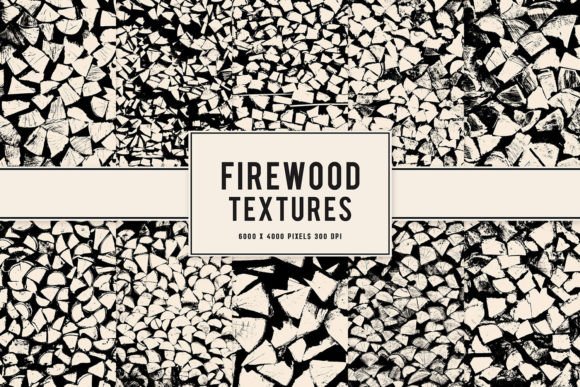
Firewood Textures: Elevate Your Digital Creations with Natural Beauty
Firewood Textures is a modern and lovely collection of high-resolution textures designed to bring warmth, depth, and natural charm to your digital projects. Whether you're designing a website, crafting social media content, or working on branding materials, these textures can add that extra layer of authenticity and creativity that makes your work stand out. With resolutions up to 6000 x 4000 PX and 300 DPI quality, Firewood Textures are perfect for professionals and hobbyists alike looking to enhance their visual storytelling.
Why Firewood Textures Are Worth Considering
Textures play a crucial role in digital design, acting as the subtle background elements that give depth and character to any project. Firewood Textures offer a unique blend of rustic charm and modern versatility, making them ideal for a wide range of applications including Canva backgrounds, business cards, product designs, wedding invitations, and more. Their compatibility with Adobe Photoshop CC or higher ensures seamless integration into professional workflows.
Many creators overlook the impact of texture in their designs. A well-chosen texture can transform a flat image into something rich and engaging. Firewood Textures provide that natural feel without overpowering the main elements of your design, allowing your message or brand to shine through.
Common Mistakes When Using Firewood Textures
While Firewood Textures are incredibly versatile, there are common pitfalls that can hinder your results. One frequent mistake is using too many textures at once. Overloading a design with multiple textures can create a cluttered and unprofessional look. It's important to use textures sparingly and strategically to maintain clarity and focus.
Another common error is not considering the color compatibility between the texture and the design elements. Firewood Textures come in RGB colors, but they may not always match perfectly with every project. Always check how the texture interacts with your text, images, and other design components before finalizing your layout.
Some creators also fail to resize textures properly. Since Firewood Textures are available in high resolution, it's easy to assume they will scale seamlessly. However, resizing without maintaining the correct aspect ratio or resolution can lead to pixelation or loss of detail. Always ensure that your textures are scaled appropriately for the intended use.
Practical Tips for Using Firewood Textures Effectively
To avoid these mistakes and make the most of Firewood Textures, start by experimenting with different combinations. Use one or two textures per design to keep things clean and focused. Try placing the texture behind text overlays or as a subtle background in banners or posters. This approach allows the texture to enhance the design without distracting from the main content.
Before applying a texture, consider its contrast with your design elements. If your background is dark, choose a lighter texture to ensure readability. Conversely, if your design has light elements, a darker texture might add more depth and interest. Testing different variations can help you find the best match for your project.
Always download and preview the textures in your design software before using them in a final project. This step allows you to see how the texture looks at different sizes and in various contexts. It also gives you the opportunity to adjust the opacity or blending mode to achieve the desired effect.
What to Check Before Choosing Firewood Textures
Before purchasing or downloading Firewood Textures, take a moment to evaluate what you need. Consider the resolution and format requirements of your project. While JPG and PNG formats are both high quality, PNGs support transparency, which can be useful for certain design applications.
Also, think about the licensing terms. Ensure that the textures you choose are appropriate for your intended use, whether it's for personal projects, commercial work, or client-based designs. Some texture packs may have restrictions on how they can be used, so it's essential to review the terms carefully.
Finally, don't hesitate to reach out to the creator or vendor if you have questions about the textures. Many providers offer support or guidance on how best to use their products. Taking this step can save you time and frustration later on.
Realistic Examples and Better Approaches
Imagine you're designing a social media banner for a rustic-themed event. Instead of applying a full-size firewood texture across the entire background, try using a smaller section of the texture as a subtle accent. This approach keeps the design clean while still adding that natural, earthy feel.
If you're creating a wedding invitation, consider using a firewood texture as a background for the text. Adjust the opacity so that the texture doesn't overpower the words but instead adds a warm, inviting atmosphere. This method ensures that the invitation remains readable while still being visually appealing.
For a product packaging design, use a firewood texture as an overlay to give the product a handcrafted appearance. This technique can be especially effective for items like candles, wooden crafts, or eco-friendly products. The texture reinforces the product's theme and helps it stand out on the shelf.
By approaching Firewood Textures with intention and care, you can unlock their full potential and elevate your creative projects to new heights. Whether you're a beginner or a seasoned designer, these textures offer a valuable tool for bringing warmth, texture, and personality to your work.